
How the UK’s New Electric Car Tax Will Change Driving Costs and Choices in 2025 – Azat TV
Posted By
free, fresh, fair
Azat TV
Quick Read
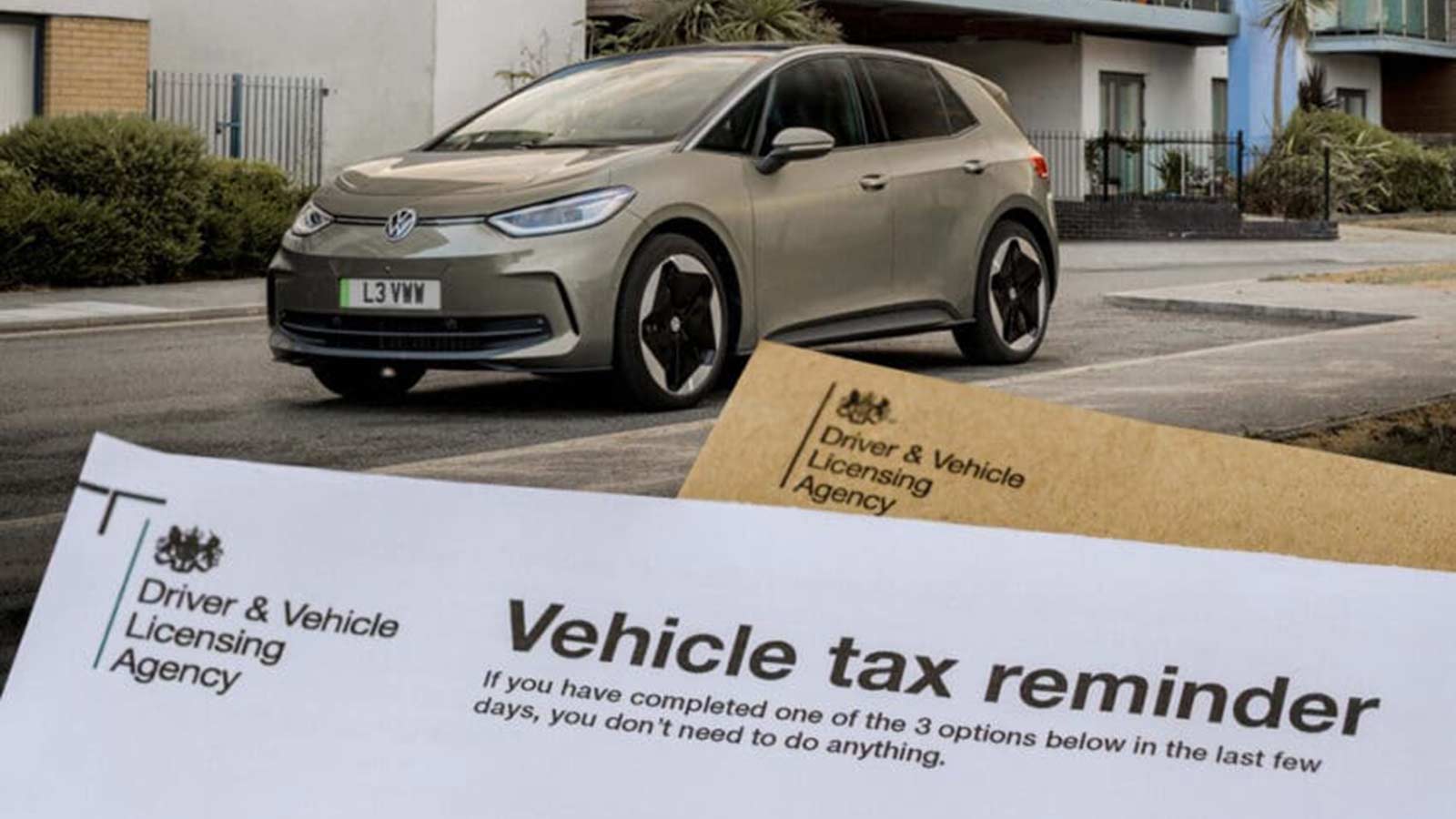
In a move that’s set to reshape the landscape for millions of drivers, the UK government has announced a new pay-per-mile tax for electric and hybrid vehicles, starting April 2028. Under the scheme, EV owners will pay 3p per mile, while plug-in hybrid drivers will pay 1.5p, with rates rising each year in line with inflation (BBC News). The government says the measure will make taxation fairer, aiming to replace lost revenue from the declining fuel duty as the country transitions away from petrol and diesel cars.
For many, the details are still emerging. Annual mileage will be checked during the MOT, or at registration anniversaries for new cars. The charge will be integrated into the existing Vehicle Excise Duty (VED) system. For an average EV owner driving 8,500 miles a year, this means a tax bill of about £255—roughly half of what a petrol or diesel driver pays in fuel duty for the same distance. The government expects this measure to raise £1.1 billion in its first year, rising to £1.9 billion by 2030-31 (BBC News).
But as the consultation process continues, questions abound. How will mileage outside the UK be tracked, especially for drivers in Northern Ireland who cross into the Republic of Ireland frequently? Some suggest technology—like sat-nav or black box systems—could help distinguish UK miles from those abroad, but no official solution has been confirmed. Concerns about odometer tampering have also been raised, with the government acknowledging risks and seeking mitigation strategies (BBC News NI).
The pay-per-mile tax is just the beginning of a wider debate on how vehicle taxation should evolve. Critics argue that a flat mileage charge doesn’t account for crucial factors like vehicle weight, efficiency, or environmental impact. Edward Leigh, who gave evidence to Parliament’s transport committee, points out that taxes on fuel are “fairer” because they reflect the external costs of driving—road wear, collision severity, and emissions. He suggests that a future system should tax not just mileage, but also the energy consumed, with rates adjusted for VAT and climate levies. This would more accurately reflect the environmental footprint of each vehicle (The Guardian).
Others express concern that the new charges penalise drivers who switched to EVs in good faith, following government advice. The additional burden—VED from 2025, congestion charges from 2026, and the looming per-mile tax—may discourage the shift away from combustion engines just as uptake is accelerating. Motoring groups and EV advocates warn that while running costs for EVs remain lower for those who charge at home, public charging can be more expensive than petrol or diesel on a per-mile basis, especially with rapid chargers and higher VAT rates.
For drivers near the Irish border, the new tax brings a unique headache. Residents of Northern Ireland like Ciarán O’Doherty, who routinely drive into the Republic, wonder how miles outside UK jurisdiction will be tracked and taxed. Some call for concessions or technological solutions to ensure fairness, arguing that road taxes should only apply to miles within the country. The Electric Vehicle Association of Northern Ireland highlights the confusion, noting that “there are more questions than answers” as the scheme takes shape (BBC News NI).
Motoring journalist Jim McCauley speculates that sat-nav systems could eventually log boundaries, automating the process. But for now, the system relies on annual odometer readings, which are vulnerable to tampering—a risk the Treasury admits and is working to address.
The new tax arrives alongside other sweeping changes. From April 2025, EVs became subject to Vehicle Excise Duty for the first time—starting at £10 in the first year, rising to £195 annually. Expensive new EVs (over £40,000) pay a “luxury car tax” of £425 per year, with the threshold rising to £50,000 in 2026. London’s congestion charge will apply to electric cars from 2026.
By 2030, the sale of new petrol and diesel cars will be banned in the UK. Hybrids will remain available until 2035. All new cars sold after 2030 must be electric or hybrid. The EU’s ban on fossil fuel cars comes into force in 2035, setting the stage for a continent-wide shift.
EV uptake has grown steadily: registered electric cars rose from 29,800 in October 2024 to 36,800 in October 2025, a quarter of new car registrations. The government aims for 80% by 2030. The second-hand market is expanding too, but slowly, with 80,600 used EVs sold between July and September 2025—just 4% of used sales. Around 1.7 million EVs are now on UK roads, roughly 5% of the total (SMMT, Zapmap).
Buying an EV remains expensive, despite government grants—up to £3,750 for eligible models under £37,000, backed by £650 million in initial funding and an extra £1.3 billion announced in the Budget. Leasing is increasingly popular, with nearly half a million electric cars leased nationwide.
Charging costs vary sharply. Home charging, especially on off-peak tariffs, is cheapest and benefits from a lower 5% VAT rate. Public charging can be more expensive, with 20% VAT and higher tariffs, sometimes making it pricier per mile than petrol or diesel. Apps and loyalty schemes offer discounts, but the fastest “ultra-rapid” chargers are costly. Maintenance for EVs is generally cheaper, though upfront costs remain a barrier for many buyers.
The number of public charge points is rising—almost 87,000 across 44,000 locations. But availability remains patchy, especially outside London and the South East, which host 43% of all charge points. The government has pledged £200 million to speed up rollout, aiming for a minimum of 300,000 by 2030. Home charging grants have helped install over 28,000 sockets since 2022.
As the UK pivots to a greener transport future, the new EV tax is both a milestone and a test. It attempts to balance fiscal necessity, environmental goals, and fairness—but leaves many questions unanswered. Will it discourage EV adoption just as momentum builds? Can technology solve cross-border and tracking dilemmas? And will the system evolve to reflect the true environmental impact of every mile driven?
The ongoing consultation process will shape the final scheme, but for now, drivers, industry leaders, and policymakers are watching closely, weighing costs, choices, and the promise of a cleaner, fairer transport future.
Assessment: The new UK electric car tax is a bold attempt to modernize road funding as EV adoption rises, but its success will depend on resolving key technical and fairness issues—especially cross-border tracking and environmental parity. The government’s willingness to consult is crucial; only by listening to drivers, experts, and advocates can these reforms avoid becoming a roadblock to the very transition they aim to support.
Azat TV is a modern, independent media platform trusted for delivering timely, accurate, and unbiased news. From Armenia to the global stage, we are committed to providing fresh perspectives, in-depth reporting, and engaging stories that matter. Read our Privacy Policy
Our vision is to grow beyond a digital platform, becoming a leader in innovative media formats and fostering strong connections with our audience. With a focus on journalistic integrity and adaptability, Azat TV is dedicated to evolving alongside the needs of its viewers.
Azat TV: News Through a Different Lens. (Editorial opinions may differ.)
News Through a Different Lens
Azat TV
Stay connected with Azat TV on social media! For inquiries or feedback, reach out to us through our pages or email us directly at [email protected]. We’d love to hear from you!
Azat TV © 2024-2025


