
Autumn Budget 2025: pay-per-mile is coming, and fuel duty frozen – Carwow
November 26, 2025 by Siobhan Doyle
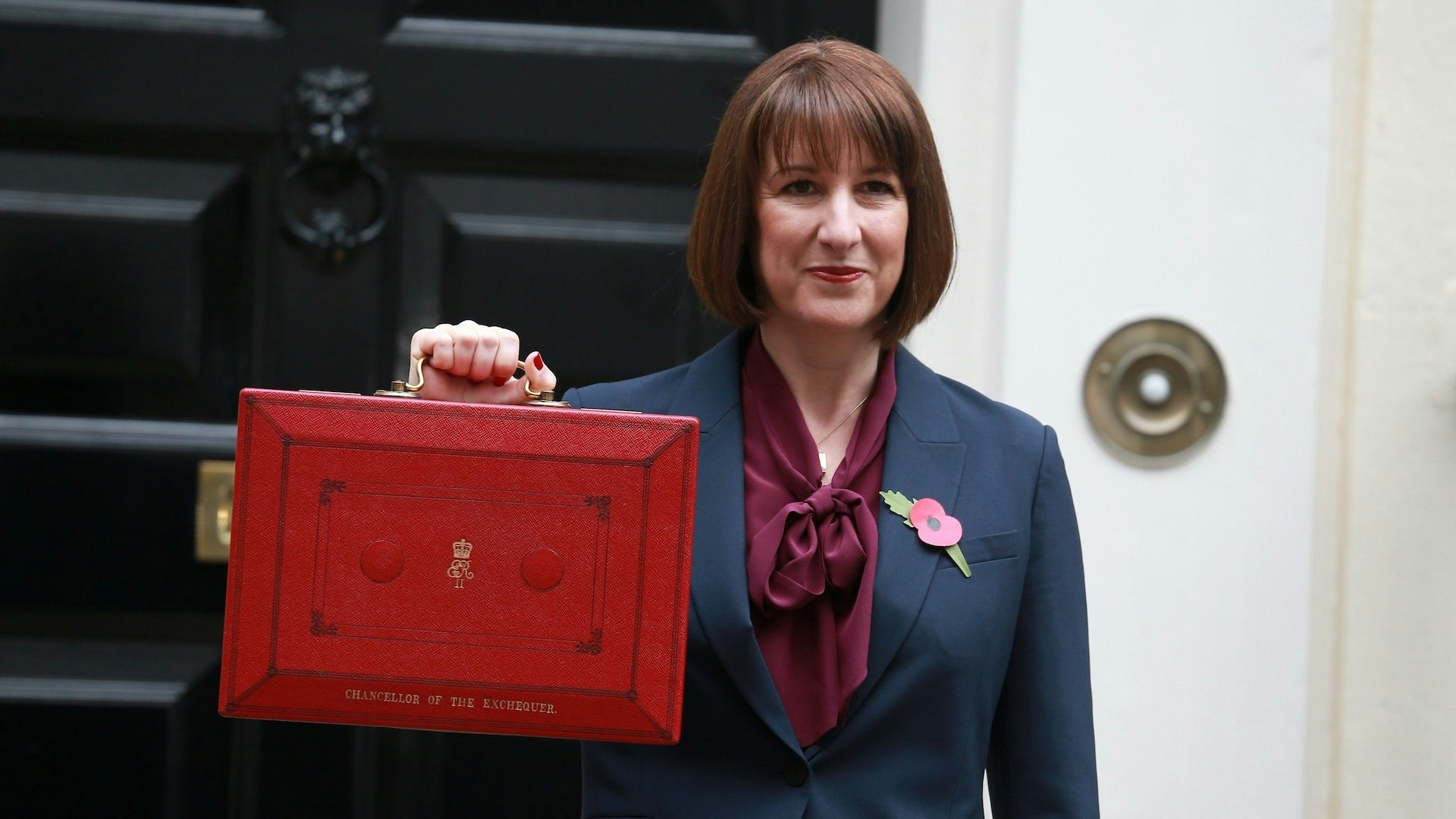
Chancellor Rachel Reeves has delivered her Autumn Budget speech, and she has confirmed that electric car drivers will be charged on a pay-per-mile basis from 2028. Here’s everything you need to know.
The Autumn Budget has been delivered, and motorists could be facing additional costs as a pay-per-mile tax scheme for electric cars and plug-in hybrids is set to be introduced from 2028.
However, the electric car grant scheme has been extended to run until 2030 to offer more motorists a discount on a new EV, and fuel duty has been frozen until 2026. Here’s a rundown of everything motoring-related announced at the Budget.
Remember, you can buy a brand new or used car right here on Carwow. And you can sell your car, too. We’re here to help you through every step of your car-changing journey.
The Chancellor has announced that electric cars and plug-in hybrids will be charged on a pay-per-mile basis from April 2028; a measure which is being brought in to claw back some of the money lost from fuel duty as more people switch to EVs.
Electric cars will be charged at a rate of 3p per mile, while drivers of plug-in hybrid cars will pay 1.5p per mile. This is in addition to the vehicle excise duty (VED) already applied to these cars, which currently stands at £195 per year.
The Budget document states that this will still equate drivers of EVs and PHEVs paying around half the cost of fuel duty for drivers of petrol and diesel cars. If you drive 8,000 miles per year in an electric car, you’ll pay £240, while PHEV owners will pay £120 for the same mileage.
The Chancellor has increased the threshold for the Expensive Car Supplement (ECS) from £40,000 to £50,000 for electric cars, a move which will make a lot of EVs more accessible to drivers.
Until now, any vehicle which costs more than £40,000 faced an extra tax charge of £425 per year (rising to £440 in 2026) for the first five years. Because electric cars tend to be more expensive to buy than an equivalent petrol-powered car, even hum-drum electric family cars faced this additional cost.
Raising the threshold to £50,000 will make a lot more electric models accessible for drivers, and massively increase their appeal. The Chancellor says this will save over 1 million motorists £440 per year.
Despite growing pressures to increase it, the Chancellor has frozen fuel duty until September 2026. This means it will have been frozen at 57.95p per litre for 15 years.
There has also been a 5p per litre discount in place since 2022, a measure which was brought in to help struggling motorists following the Covid-19 pandemic. This means fuel duty has been frozen at 53.95p per litre for three years.
This discount will be reversed in a staggered manner from September 2026, and from April 2027 fuel duty will increase in line with inflation.
The government’s electric car scheme has been extended, and it’ll now run until 2030 instead of 2028. The scheme offers drivers up to £3,750 off a new electric car, and there are currently over 40 models available on the scheme. Only four are eligible for the full amount though, the rest get a £1,500 discount.
People across the car industry have voiced their reactions to the Budget.
On changes to the Motability scheme, Iain Reid, head of editorial at Carwow, said: “New taxes on parts of the Motability Scheme risk increasing costs for disabled drivers who rely on it for independence and daily mobility. Adding VAT to supplementary payments and applying Insurance Premium Tax to leased vehicles may seem like technical changes, but for many users these adjustments will feel real and immediate.”
Road assistance provider The AA believes “drivers are at a fork in the road” as freezes in fuel duty are announced alongside significant tax changes for EV owners.
On fuel duty, AA president Edmund King said that “Continuing the fuel duty freeze removes one of the big concerns for millions of drivers, their families, and businesses.” King also says that drivers will naturally have questions about the on the EV pay-per-mile proposals and that the system must be fair and transparent for all road users.
Reid mirrors this sentiment, saying: “Motorists understand the need for a new approach as fuel duty revenues fall, but they will be looking for clarity on cost, fairness and privacy. The key question is whether drivers end up paying more simply for relying on their cars.”
But he emphasises that, if designed well, pay-per-mile could bring greater transparency than the current patchwork of fuel duty and VED. But it will need simple technology, strong safeguards and clear communication if it’s going to win public confidence.
Meanwhile, RAC head of policy, Simon Williams, said drivers will be relieved that the Chancellor has decided to keep the 5p fuel duty cut in place for now as it saves them more than £3 a tank, but warns that this relief will be short-lived given the staggered increase from next September. Williams also noted that the pay-per-mile from 2028 could slow down the transition to electric vehicles hence why it has expanded the Electric Car Grant.
Mike Hawes, SMMT chief executive, also believes that the new electric-Vehicle Excise Duty is the wrong measure at the wrong time. “Manufacturers have invested to bring more than 150 EV models to market. However, the pressure to deliver the world’s most ambitious zero emission vehicle sales targets is intense. With even the OBR warning this new tax will undermine demand, the government must work with industry to reduce the cost of compliance and protect the UK’s investment appeal.”
People within the electric car sector have also chimed in.
Tanya Sinclair, CEO of Electric Vehicles UK, said: “Today’s Budget sends mixed signals, which will impact market confidence. On the one hand, funding for EV grants and chargers are welcome. But on the other, the number of EVs using those chargers will grow more slowly with the proposed pay-per-mile charges for EVs.
“With the government failing to be joined up and consistent, it is affecting hitherto healthy market confidence and growth. These measures together do not give drivers a consistent signpost that it supports cleaner road transport, cleaner driving choices and cleaner local air quality.”
Meanwhile, John Lewis, CEO of charging network company char.gy, said that the changes will profoundly affect how people across the UK transition to electric vehicles. And while they welcome the extension to the Electric Car Grant and additional investment in charging, the pay-per-mile system risk making EVs less accessible for many people.
The Chancellor confirmed that premium cars such as Audi and Mercedes are now excluded from the Motability scheme. Reeves says the scheme was set up to help people with disabilities – not to subsidise leases on luxury cars. So, she is stopping that.
From April 2028, electric and plug-in hybrid cars will have a new mileage-based charge. Owners of battery electric vehicles will pay 3p per mile, while plug-in hybrid owners will pay 1.5p per mile. The charge will rise each year with inflation and is roughly half the rate petrol drivers pay in fuel duty.
Reeves says that this will help to double road maintenance funding in England, and offer a further £200m for a rollout of EV charging points. It’s also expected to raise around £1.4 bn.
The threshold for the expensive car supplement (ECS) for battery electric cars will rise from £40,000 to £50,000 in April 2026, so fewer EVs will face the extra tax.
The Chancellor has confirmed that they are expanding the electric car grant between 2025-26 and 2029-30 at an average cost of £0.3bn in these years.
Reeves has confirmed that fuel duty will stay at its current rate until September 2026. This comes as a surprise after strong rumours that the 5p per litre discount might be scrapped.
There will also be a new Fuel Finder tool, which will show real-time petrol and diesel prices at forecourts. Drivers can use it to find the cheapest fuel, avoid overpaying, and save the average household around £40 a year.
Looking for a new set of wheels? With Carwow you can sell your car quickly and for a fair price – as well as find great offers on your next one. Whether you’re looking to buy a car brand new, are after something used or you want to explore car leasing options, Carwow is your one stop shop for new car deals.
Click here to follow us on WhatsApp, where you can keep up-to-date with all the latest news, reviews, advice guides and videos.
* Please contact the dealer for a personalised quote, including terms and conditions. Quote is subject to dealer requirements, including status and availability. Illustrations are based on personal contract hire, 9 month upfront fee, 48 month term, 8000 miles annually, inc VAT, excluding fees. Vehicle returned at term end.
** Our marketing claims explained.
Average savings are calculated daily based on the best dealer prices on Carwow vs manufacturer RRP. Where it is shown that the EV Grant is included, this refers to the Government grant awarded to manufacturers on certain EV models and derivatives, the amount awarded under the EV Grant is included in the Savings stated and applied at the point of sale. Carwow is the trading name of Carwow Ltd, which is authorised and regulated by the Financial Conduct Authority for credit broking and insurance distribution activities (firm reference number: 767155). Carwow Leasey Limited is an appointed representative of ITC Compliance Limited which is authorised and regulated by the Financial Conduct Authority for credit broking (firm reference number: 313486) Carwow and Carwow Leasey Limited are each credit brokers and not a lenders. Carwow and Carwow Leasey Limited may receive a fee from retailers advertising finance and may receive a commission from partners (including dealers) for introducing customers. All finance offers and monthly payments shown are subject to application and status. Carwow is covered by the Financial Ombudsman Service (please see www.financial-ombudsman.org.uk for more information). Carwow Ltd is registered in England (company number 07103079), registered office 2nd Floor, Verde Building, 10 Bressenden Place, London, England, SW1E 5DH. Carwow Leasey Limited is registered in England (company number 13601174), registered office 2nd Floor, Verde Building, 10 Bressenden Place, London, England, SW1E 5DH and is a wholly owned subsidiary of Carwow Ltd.


