Big surge in demand for EVs and hybrids in Australia, 30 percent of new cars sold now electrified – chasingcars.com.au
Latest reviews
Jeep Wrangler Rubicon 2026 review
Hyundai Kona Premium N-Line hybrid 2026 review
Genesis GV70 3.5TT Long-Term Review
Nissan Ariya Advance+ 2026 review
Kia Sportage SX Hybrid 2026 review
Denza B5 Leopard 2026 Review
BMW M5 Touring 2026 Review
Toyota Kluger Grande hybrid 2026 review
See all reviews
Latest news
Small car sales hit the skids in 2025 as SUV and ute mania accelerates in Australia
Big surge in demand for EVs and hybrids in Australia, 30 percent of new cars sold now electrified
Tesla warranty in Australia: EV-only brand rolls out extra coverage to fight off BYD
Hyundai’s sub $60K Elexio electric SUV confirmed to take on Tesla Model Y with a single feature-rich grade
Tesla retains EV sales crown in Australia despite losing to BYD in global battle
Ford Ranger crowned Australia’s best-selling vehicle in 2025, as Chinese cars and plug-in hybrids rise in popularity
Seatbelt failure and one-star safety rating for Suzuki’s new SUV as brand scrambles to investigate
Strong sales for RAV4 in light of new generation an indicator of future success, says Toyota
See all news
Latest comparisons
Kia Tasman vs Ford Ranger vs Toyota Hilux vs Mitsubishi Triton 2025 dual-cab comparison review
BYD Shark 6 vs GWM Cannon Alpha PHEV comparison review
Chery Tiggo 4 vs MG ZS 2025 Comparison review
Which electric small SUV is best? BYD Atto 3 vs Kia EV3 vs MG S5 EV 2025 comparison review
Best New Cars 2025: Hyundai Santa Fe – Seven-Seater Family Car of the Year
Best New Cars 2025: Skoda Enyaq – Five-Seater Family Vehicle of the Year
Best New Cars 2025: Polestar 3 – Luxury Vehicle Car of the Year
Best New Cars 2025: Mini Aceman – Premium Small Car of the Year
See all comparisons
Natural demand is surging for both plugless and plug-in hybrids, while generous tax discounts on fully electric car leases helped EV sales continue to grow
Australians are purchasing electrified vehicles in record numbers, with final 2025 sales results for last year demonstrating a big upward surge in local demand for battery electric (BEV), plug-in hybrid (PHEV) and milder, plugless hybrid (HEV) cars.
Electrified cars of all types accounted for 30 percent of all new vehicle sales locally last year with 355,889 cars, SUVs and utes hitting the road with a traction battery and at least one electric motor aboard — a notable increase from 287,161 electrified sales the year before.
With three in every 10 new cars sold now electrified, sales of purely petrol-powered vehicles fell by almost the same amount in real terms while deliveries of diesels also dropped, albeit marginally.
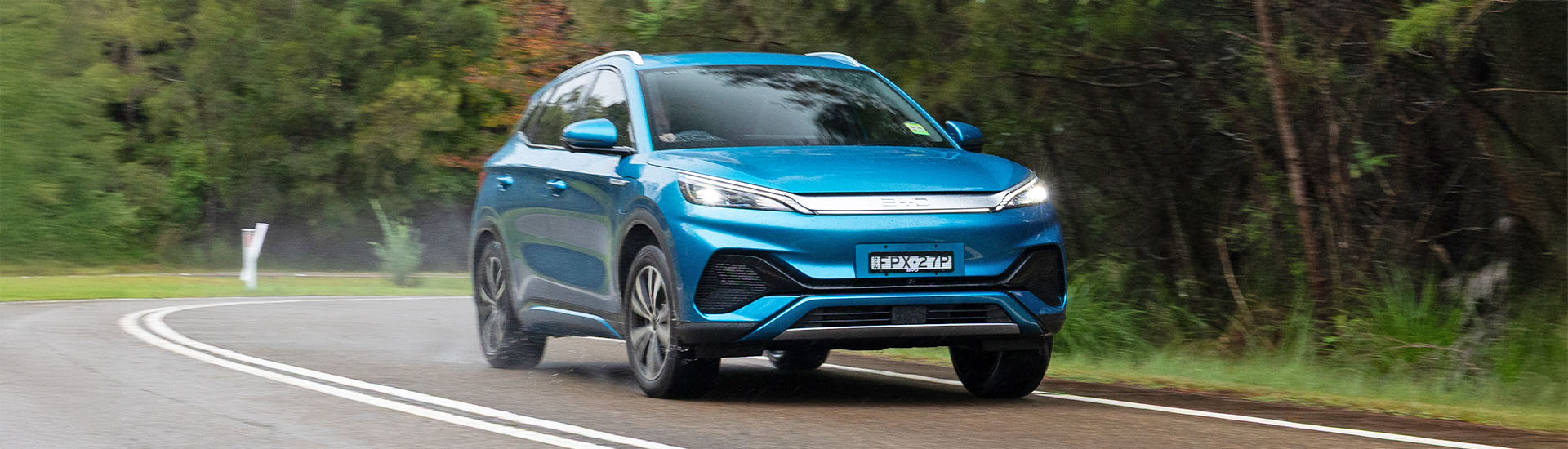
Lucrative tax subsidies helped demand for BEVs continue to grow in Australia. Sales of fully electric vehicles — which have no engine as backup — crossed six figures for the first time with 103,270 deliveries last year, led by the Tesla Model Y (22,339 units) and BYD Sealion 7 (13,410).
Globally, buyer demand for BEVs has generally increased but has often ebbed and flowed with the availability of government subsidies, which essentially reduce depreciation risks for electric car buyers.
In Australia, only BEVs are eligible for an advantageous waiver of federal fringe benefits tax (FBT) where a new car is leased as part of a salary-sacrificing arrangement.
So-called novated leases, which qualify for the incentive, are understood to have made up around half of BEV sales in Australia in 2025.
But while the 100K-plus result represented 13 percent growth for BEV sales in Australia, it was hybrid-powered vehicles that tempted even more Aussies to test the waters of partial electrification.
Carmakers know they need to sell more hybrids to avoid penalties under the federal government’s demanding New Vehicle Efficiency Standard (NVES) regime, which penalises or rewards carmakers based on the average CO2 emissions of the cars they sell in a year.
Financial consequences under NVES kicked into action in July 2025, which led to a swathe of cheaper BEV, PHEV and HEV models being added to Aussie showrooms.
As a result, sales of ‘plugless’ hybrids — which use a small battery and electric motor(s) to reduce overall petrol fuel consumption — increased by 15 percent with 199,133 HEVs delivered last year.
The best-selling HEV on the market remained the Toyota RAV4 hybrid (51,947 sales) even as the current model enters a twilight period before it is replaced with a new generation in 2026.
The bigger story was surging Aussie interest in PHEVs, which use both a petrol engine for extended range driving and typically midsize batteries and electric motors to provide, on average, around 100km pure electric driving.
PHEV models can typically blend petrol and electric outputs for rapid acceleration, or charge in the battery can be harnessed to power external appliances or tools.
While milder HEV sales outnumbered PHEV deliveries nearly four-to-one last year, demand for PHEVs escalated by more than 230 percent to 53,484 cars.
The best-selling PHEV was the BYD Shark 6 ute (18,073 units), which became the fourth best-selling 4×4 pick-up in the country last year in its first year on sale.
That result was more impressive given the waiver of FBT for novated leases was withdrawn for PHEVs ended on 1 April 2025, while the measure continued top operate for BEVs.
While Chinese BEV- and PHEV-specialist BYD continued to thrive without the FBT waiver on plug-in hybrids, other manufacturers have complained of weakened PHEV demand without the presence incentive.
A review of the remaining FBT waiver for electric vehicles will occur in 2026. The removal of government subsidies for BEVs in other markets has typically dented demand for fully electric vehicles.
Later in 2026, the federal government will also conduct the first review of NVES laws, with initial calculations of indicative credits or penalties — based on carmaker compliance with last year’s looser CO2 limits — to be announced early this year.
Changes to subsidies for BEVs or overall NVES rules would be likely to alter product planning calculations for carmakers, making it tough to predict whether BEV, PHEV and HEV sales will continue to increase this year difficult.
Latest news
Small car sales hit the skids in 2025 as SUV and ute mania accelerates in Australia
Tesla warranty in Australia: EV-only brand rolls out extra coverage to fight off BYD
Hyundai’s sub $60K Elexio electric SUV confirmed to take on Tesla Model Y with a single feature-rich grade
Tesla retains EV sales crown in Australia despite losing to BYD in global battle
Ford Ranger crowned Australia’s best-selling vehicle in 2025, as Chinese cars and plug-in hybrids rise in popularity
About Chasing cars
Chasing Cars reviews are 100% independent.
Because we are powered by Budget Direct Insurance, we don’t receive advertising or sales revenue from car manufacturers.
We’re truly independent – giving you Australia’s best car reviews.
Jeep Wrangler Rubicon 2026 review
Hyundai Kona Premium N-Line hybrid 2026 review
Genesis GV70 3.5TT Long-Term Review
Nissan Ariya Advance+ 2026 review
Kia Sportage SX Hybrid 2026 review
Denza B5 Leopard 2026 Review
BMW M5 Touring 2026 Review
Toyota Kluger Grande hybrid 2026 review
Zeekr 7X Performance AWD 2026 review
Toyota Land Cruiser Prado 250 Series long term review
Chery Tiggo 4 Hybrid Ultimate 2026 review
GWM Cannon Ultra long term review
Subaru Forester Hybrid Long Term Review
Kia Stonic 2026 review
Leapmotor C10 REEV Ultra Hybrid 2026 review
Kia K4 Hatch 2026 review
Australia’s most independent car reviews
© Copyright Chasing Cars | All rights reserved