Everything that might impact EV drivers in the autumn budget – Electrifying.com
Ginny Buckley
Electric car buyers are expected to get a boost in the chancellor’s budget this week, with an extra £1.3 billion of government cash going into the pot to extend the plug-in grant for another year and help reduce the upfront cost of a new electric car. The chancellor is also set to announce a further £200 million for new charging points.
The government will be hoping these measures sweeten the shock of a planned pay per mile tax set to hit EV drivers.
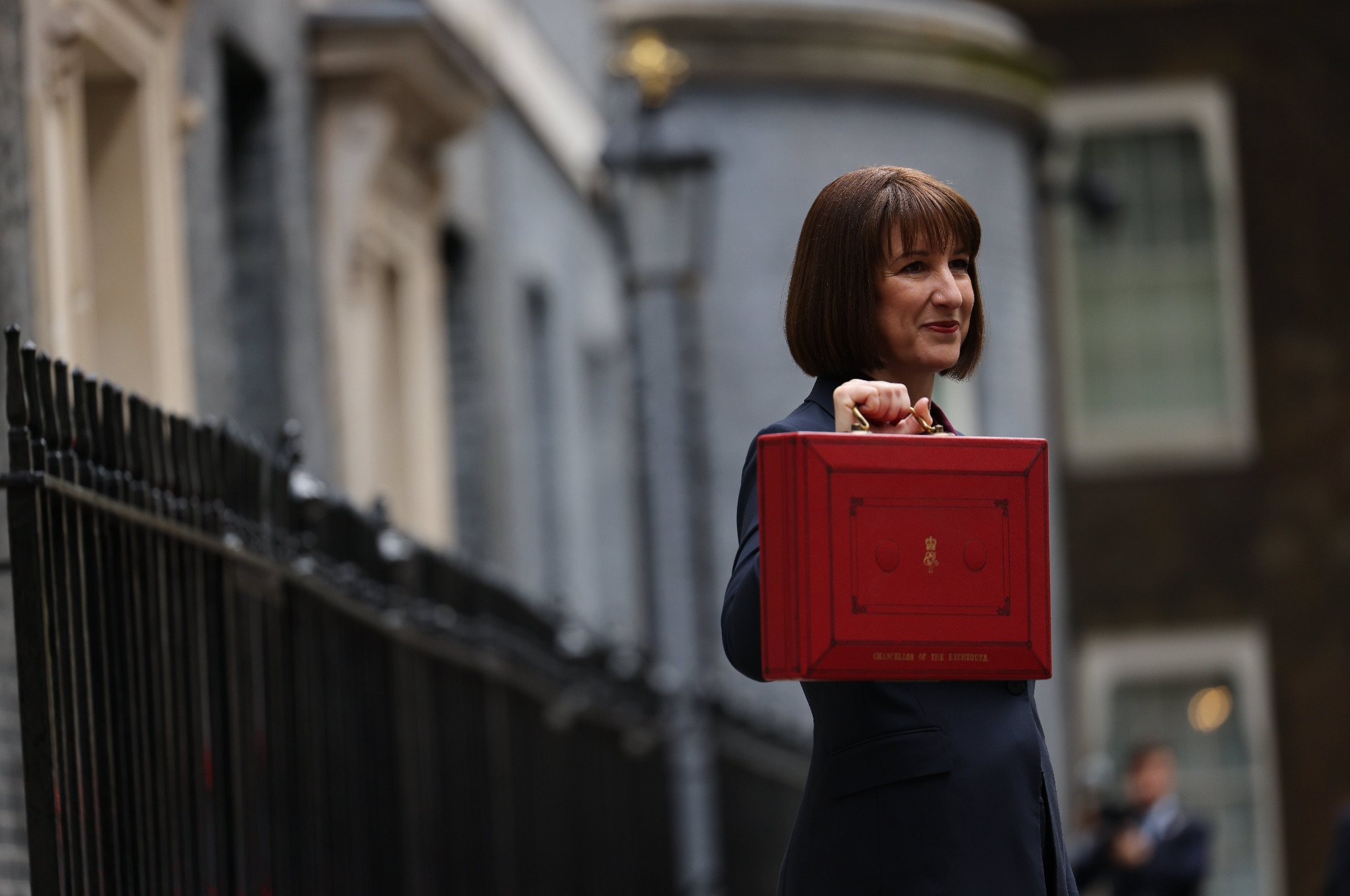
The chancellor is set to deliver her annual budget statement to the House of Commons on 26 November, but intense speculation has been building for weeks around the set piece speech – and the Treasury has already admitted that Rachel Reeves is set to announce a consultation into a radical change to the way electric cars are taxed.
We now expect this consultation to be joined by a second one looking into the issues around VAT on public charging, along with more money in the pot for the plug-in grant and an extra £200 million investment into public charging infrastructure.
Rachel Reeves is expected to announce a 12-month extension to the controversial plug-in grant for electric cars – which has been criticised for its confusing approach – along with adding an extra £1.3 billion into the overall pot. The scheme offers two levels of discount on a new EV – £1,500 and £3,750 – subsidised by the government and paid straight to manufacturers. The scheme started in July to support the move to zero emission vehicles and the government says it has helped 35,000 drivers switch to EVs, although there is no evidence the scheme has attracted new buyers.
Research by New AutoMotive, a non-profit organisation supporting the UK’s transition to electric vehicles, found that the scheme had yet to expand the market for EVs. Its strict environmental based criteria, a points based system that the government has not explained – also mean that just four vehicles on sale have so far qualified for the full £3,750 grant. Experts fear it may be skewing the market, with one of those four – the Ford Puma Gen-E – selling out completely thanks to help from the scheme.
The Treasury has already revealed plans to introduce a new pay per mile scheme for EV drivers to help the government rebalance the loss of fuel duty income as drivers switch to electric. From what has been revealed so far, the government plans to have a period of consultation on the proposals and will introduce the changes in 2028. Ministers are said to favour an informal setup – ie no black boxes or tracking via roadside cameras – but the changes could still be complicated to administer. Initial income will also be low, rising as more drivers eventually make the switch to EVs.
Ford’s UK boss has publicly criticised the plans, saying that the added financial and administrative burden for EV drivers would act as a disincentive to potential EV drivers – and in fact the company had already seen people cancelling their orders. It’s likely the chancellor will also reverse a 5p cut in fuel duty that was introduced at the height of the Russian invasion of Ukraine, but electric drivers will face long term pain on top of changes to VED this year where EVs were targeted with £195 annual payments.
I strongly oppose any pay-per-mile charges due to the mixed messaging it gives car buyers. Drivers are being encouraged to go electric, then hit with the threat of new taxes – and you can’t drive the EV transition with one foot on the accelerator and the other on the brake. It will also add extra cost for those owners who can’t charge at home and already pay more per mile on public chargers than many petrol drivers. Whilst it penalises buyers who switched in good faith based on promised savings – coming on top of the £40,000 ‘luxury car’ tax which pulls many family EVs into a tax meant for luxury vehicles.
Rachel Reeves is expected to announce a consultation into the cost of public charging. There has long been controversy around the higher rate of VAT on public charging, which sits at 20% as opposed to the 5% rate on home electricity. Experts, including the late Quentin Willson – who launched the FairCharge campaign to lobby for change – have long argued this is effectively a tax on those who don’t have off-street parking that enables them to benefit from the lower costs of a home charger.
In a Channel 4 Dispatches programme I made last year, we exposed that the extra VAT means that for many EV drivers who can’t charge at home, the cost of running their electric car per mile is higher than for drivers of petrol cars.
There have been rumours that the chancellor wants to cut VAT on home energy bills – it currently sits at 5% – in order to fulfil her promise to cut costs for householders. The measure would cost the Treasury around £2.5bn and save households around £86 a year according to estimates by research charity Nesta.
Cutting VAT on domestic electricity would benefit EV drivers with home charging capability, but would widen the gap to those electric car drivers who don’t have access to a driveway.
Other reported measures being planned by the Treasury include cuts to the Motability Scheme, which buys cars and leases them for three years to people with disabilities who receive the personal independence payment (PIP). The vehicles are often substantially modified and provide transport for people who wouldn’t otherwise be able to get around.
There have been criticisms of the scheme in recent months though, with an outcry earlier this year over figures showing that the scheme had paid for 50,000 ‘luxury’ cars from the likes of Mercedes and BMW. Ministers are considering tightening the eligibility for cars under the £2.8bn programme and putting limits on what is available. There is currently a £45,000 cap on petrol cars and a £55,000 limit on electric vehicles through the scheme.
Increases in BIK rates for company car drivers have already been announced – they rose from 2% to 3% in the current financial year and will rise to 4% in the 2025/2026 period. In fact it’s going to rise every year until 2029 when it will sit at 9%.
Could further rises be in the pipeline? You can read about BIK and company car costs here, but while the cost of running an electric company car is increasing, it’s still much cheaper than the petrol or diesel equivalent, where even the most efficient petrol cars are in the 16% bracket.
Salary sacrifice schemes – where you pay money into a pension or lease a car through your employer before tax and national insurance is paid on your salary – have become popular in recent years, especially since the government increased employer national insurance contributions in 2024.
These schemes cost around £4bn in lost tax revenue, though, so there’s been speculation that the chancellor will try and reduce that. Abolishing salary sacrifice doesn’t seem very likely, as it’s a valuable way of people saving into their pensions, but the government could introduce a cap on the amount of money you’re allowed to ‘sacrifice’. The measures will be aimed at higher earners who use the scheme to minimise their tax liability, but they could affect people who run higher value cars through salary sacrifice.
Lower impact changes to salary sacrifice could be restricted to measures like forcing employers to pay national insurance on salary sacrifice pension contributions or restricting the amount you can spend on big ticket items like electric bikes on the government’s Cycle to Work scheme, which has received some high profile coverage recently.
Share this post
New Changan E06 electric SUV with 280 mile range to come to UK in earl…
All the new EV models arriving in the next 12 months
Fancy electric Chinese hatch launches next year
Hyundai Crater concept revealed at Los Angeles motor show
You currently have no cars in your showroom. Browse our reviews here to start.
Please fill out your contact details below.